
Key Takeaways
- Unsolicited messages, guaranteed approvals, and requests for upfront fees are strong warning signs that should never be ignored.
- Always confirm a lender’s registration through the Ministry of Law and ensure all identity verification is conducted in person at an approved business address.
- Fraudulent operators often use cloned websites, phishing tactics, and artificial urgency to pressure quick decisions.
- Safe borrowing requires disciplined information handling, careful contract review, and choosing lenders that operate strictly within Singapore’s regulatory framework.
Introduction
In Singapore’s regulated financial environment, individuals seeking urgent financing must remain cautious. Borrowers facing medical bills, rental deposits, bridging gaps during property transactions, or temporary cash flow shortages are often under time pressure. Unfortunately, loan scams have become increasingly sophisticated, targeting those who require quick approvals or flexible eligibility. Understanding how these schemes operate, how to verify legitimate lenders, and how to practise safe borrowing habits is essential to protecting both your finances and personal information.
Individuals seeking urgent funds for essential needs may be particularly vulnerable to fraudulent outreach, especially when decisions feel time-sensitive. Remaining informed allows borrowers to respond carefully rather than react impulsively.
Recognising the Warning Signs of Loan Scams
Fraudulent operators often rely on speed, confusion, and emotional pressure. Identifying warning signs early allows borrowers to disengage before sharing personal details or sending any money.
Unsolicited Messages and Fake Advertisements
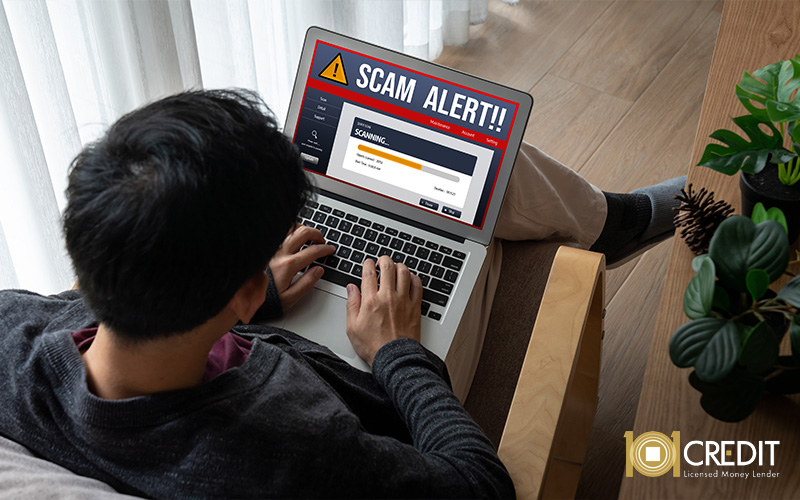
One of the most common entry points for loan scams is unsolicited communication. Borrowers may receive unexpected WhatsApp messages, SMS blasts, or social media outreach promising guaranteed approval or unusually low interest rates. These messages often come from fake loan advertisements designed to resemble legitimate offers.
Licensed lenders in Singapore are not allowed to solicit loans via SMS, phone calls, social media or messaging platforms. Under Ministry of Law guidelines, licensed lenders may advertise only through approved channels such as business and consumer directories, business websites, etc. If you did not initiate contact with the lender, the offer should be treated with immediate caution. Regulated lenders rely on compliant marketing channels and transparent communication rather than unsolicited digital messages.
Upfront Fees and Threat-Based Tactics
Another warning sign involves requests for administrative or processing fees before approval. A licensed moneylender will not ask you to transfer money or pay processing or administrative fees before the loan is disbursed. Under Singapore regulations, licensed lenders deduct permissible fees from the loan amount upon disbursement rather than collecting payments upfront. Any request for advance payment, bank transfer, or digital wallet top-up before disbursement should be treated as a major red flag.
Borrowers should also be alert to behaviours commonly exhibited by unlicensed moneylenders. Harassment, intimidation, or threats are unlawful practices and clearly distinguish illegal operators from regulated lenders. Recognising these behaviours early can prevent financial loss and unnecessary distress.
Verifying a Moneylender’s Legitimacy
Verification is the most effective safeguard against impersonation and fraudulent activity. Singapore’s regulatory framework provides clear mechanisms for borrowers to confirm a lender’s status before proceeding.
Checking the Ministry of Law Register
Before submitting any application, borrowers should verify that the moneylender is licensed by checking the Ministry of Law’s official list. This public register confirms whether a lender is authorised to operate and provides approved contact details and business addresses.
Confirming that the lender’s name, contact number, and registered office address match the official listing helps ensure you are dealing with an authorised money lender in Singapore.
Understanding Proper Loan Procedures in Singapore
Legitimacy is also reflected in the process. Licensed lenders must conduct face-to-face identity verification at their approved place of business before loan approval and contract signing. Approvals conducted entirely through messaging applications or informal channels do not meet regulatory standards.
Borrowers should expect a clear explanation of interest rates, repayment schedules, and statutory fee caps before signing any agreement. Proper procedure is not an inconvenience but a safeguard embedded within Singapore’s lending framework.
Understanding Common Scam Tactics and How They Work
Fraud schemes continue to evolve, often imitating legitimate financial services. Understanding how these tactics function empowers borrowers to pause and assess information carefully before committing to any arrangement.
Cloned Websites and Impersonation
Many loan scams operate through websites that closely resemble legitimate lenders. Logos, registration numbers, and office photographs may be copied to create the appearance of authenticity. Individuals searching online for a personal loan for bad credit may unknowingly land on fraudulent portals created to steal their sensitive information.
Reviewing website URLs carefully and comparing contact details against official records helps prevent engagement with impersonators. Borrowers should avoid submitting documents through unfamiliar links and instead access applications directly through verified official websites.
Phishing and Identity Theft
Some scammers request NRIC copies, bank statements, or Singpass credentials under the pretext of fast approval. These tactics are designed to extract information that can later be misused for identity theft or unauthorised transactions. In some cases, scammers may also ask for CPF contribution details or employment records to make the request appear legitimate. Such information should not be shared unless you have independently confirmed the lender’s regulatory status.
Licensed lenders will never request passwords, banking login credentials, or confidential authentication details. Any such request should be treated as suspicious.
Emotional Pressure and Artificial Urgency
Scammers frequently manufacture urgency, claiming that approvals will expire within hours or that funds are limited. Financial stress can make these claims appear convincing, especially when immediate liquidity is required.
Regulated lenders operate within structured timelines and do not pressure borrowers into rushed decisions. Taking time to verify information remains essential, even when circumstances feel urgent.
What to Do If You Suspect You Have Been Targeted
If you have already shared information or transferred money, immediate action is critical. Contact your bank promptly to alert them to the transaction and request assistance in securing your account. Early notification may improve the chances of limiting further financial loss.
Before responding further to the suspected party, check the lender’s name, landline number, business address, and official website against the Ministry of Law’s Registry of Moneylenders to confirm whether the entity is legitimately registered.
You should also make a police report to document the incident and assist investigations into fraudulent activity. Preserving message histories, payment records, and screenshots can support the reporting process. Reports can be submitted through the Singapore Police Force’s i-Witness portal or by calling the Police hotline at 1800-255-0000.
If you are unsure whether a message or offer is suspicious, you may contact the ScamShield helpline at 1799 for guidance. However, note that submitting information through ScamShield does not constitute an official police report.
Discontinue communication with the suspected party and block the contact number. Taking swift, practical steps reduces further exposure and protects your financial accounts from additional risk.
Practising Safe Borrowing and Information Handling
Preventing exposure to fraudulent lending schemes requires disciplined information handling and cautious communication. Borrowers should interact only through verified channels listed on official websites and avoid clicking links sent from unknown numbers. Sensitive documents such as NRIC copies and payslips should only be shared after confirming a lender’s regulatory status.
During in-person consultations, reviewing the contract carefully ensures that interest rates, repayment schedules, and fees align with statutory limits. Legitimate options, such as licensed moneylender debt consolidation programmes, can offer structured, compliant solutions for individuals managing multiple financial obligations.
Responsible borrowing involves clarity, confirmation of regulatory standing, and a full understanding of contractual commitments before any agreement is signed.
Borrowing Safely with a Licensed and Trusted Partner

Despite strong regulations, loan scams continue to target individuals who require immediate liquidity. Consistent due diligence and adherence to regulated procedures remain the most reliable forms of protection. Whether you are a Singapore Citizen, Permanent Resident, foreign professional, or lower-income earner seeking short-term assistance, working within the regulated system safeguards your financial interests.
When legitimate financial help is required, choosing a Ministry of Law–approved lender ensures transparency, compliance, and structured documentation. Contact 101 Credit Pte Ltd for a regulated consultation conducted in accordance with Singapore Ministry of Law requirements.